


About the brand
Joy E-Bike Franchise
Franchise Quick Facts
| Brand Name | Joy E-Bike |
|---|---|
| Industry / Business Category | Electric Vehicles (Electric Two-Wheelers) |
| Founded Year | 2016 |
| Franchise Started Year | 2018 |
| Total Franchise Outlets | 500 – 1000 |
| Estimated Investment | INR 5 Lakh – 10 Lakh |
| Franchise Fee | INR 1,50,000 |
| Royalty Fee | Typically structured as ongoing support or revenue-linked fee in dealership/franchise systems |
| Space Requirement | 500 – 600 sq.ft |
| Staff Requirement | 3–8 staff depending on sales volume |
| Expected Payback Period | 1 – 2 Years |
1. What is Joy E-Bike?
Joy E-Bike is an electric vehicle brand operating in the two-wheeler mobility segment, offering battery-powered scooters and bikes designed for urban commuting and short-distance travel.
The franchise falls within the EV dealership and mobility solutions category, targeting individual consumers seeking alternatives to fuel-based transportation.
2. How the Business Works
The business operates through a dealership-style model where customers visit the outlet to explore, test, and purchase electric two-wheelers.
Daily operations involve product display, customer consultations, test rides, sales processing, and after-sales coordination. Vehicles are supplied through the central manufacturing and distribution system.
Revenue is generated from vehicle sales, accessories, and service-related income. Demand is driven by rising fuel costs and increasing adoption of electric mobility.
3. Products or Services Offered
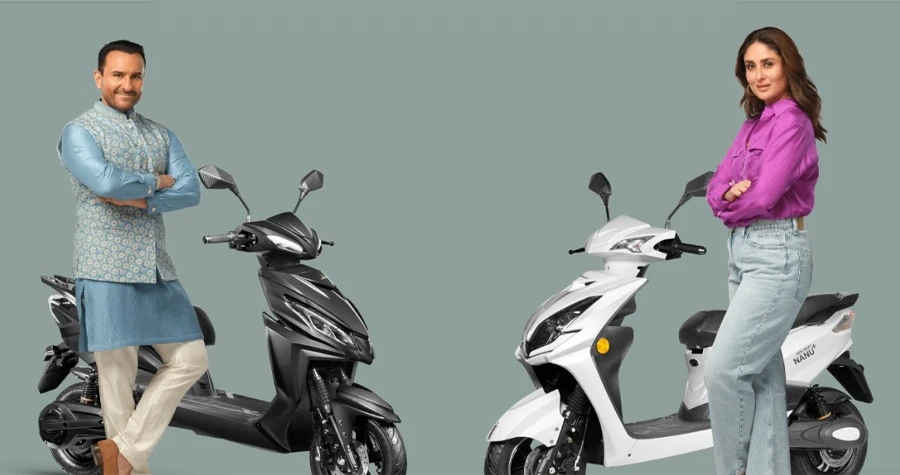
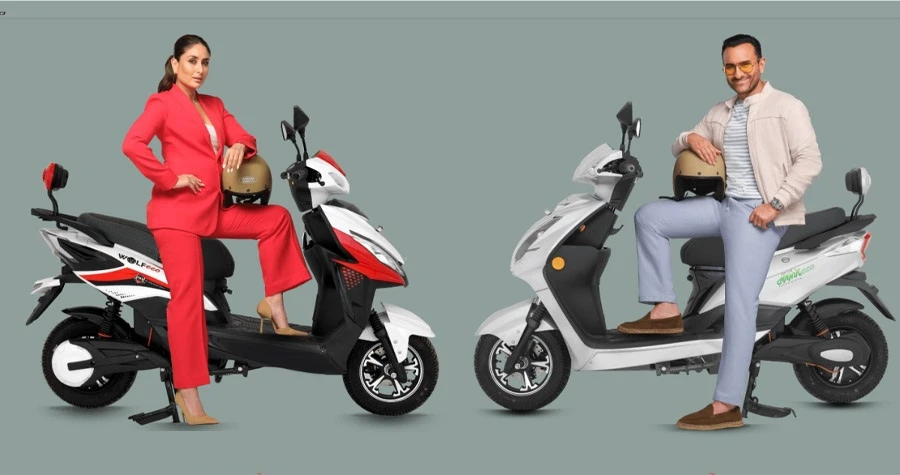
Electric Two-Wheelers
- Low-speed electric scooters (no license category)
- High-speed electric bikes and scooters
- Urban commuting-focused models
Supporting Services
- Vehicle sales and delivery
- Spare parts and accessories
- After-sales service coordination
The product range is designed to address both entry-level users and performance-oriented riders.
4. How the Franchise Model Works
The franchise operates as a branded retail and distribution outlet for electric vehicles.
Franchise Partner Responsibilities
- Set up and manage showroom operations
- Handle customer inquiries, test rides, and sales
- Maintain inventory and coordinate deliveries
- Provide basic after-sales support
Franchisor Responsibilities
- Supply vehicles and product updates
- Provide branding, training, and marketing support
- Assist with dealership setup and operational systems
The model combines retail sales with manufacturer-backed supply and support.
5. Franchise Cost and Investment Overview
| Estimated Investment | INR 5 Lakh – 10 Lakh |
|---|---|
| Franchise Fee | INR 1,50,000 |
Typical Investment Components
- Showroom setup and branding
- Initial vehicle inventory
- Basic service tools and equipment
- Working capital for operations
Royalty or ongoing fees in such models typically support brand usage, supply chain access, and continuous operational support.
6. Space and Infrastructure Requirements
Space Requirement: 500 – 600 sq.ft
Preferred Locations
- High-visibility commercial areas
- Urban and semi-urban markets
- Roads with strong commuter traffic
Infrastructure Needs
- Display showroom for vehicles
- Charging and demonstration setup
- Storage space for inventory
Staffing
Sales executives, showroom manager, and basic technical support staff.
7. Training and Franchise Support
Support is generally structured around dealership operations:
- Product and technical training on EV models
- Assistance in showroom setup and branding
- Marketing and promotional support
- Inventory and supply chain coordination
- Ongoing operational and service guidance
These systems help maintain consistency across franchise locations.
8. Revenue Model and ROI Factors
Revenue is primarily generated through:
- Sale of electric vehicles
- Accessories and add-ons
- Service and maintenance-related income
Key ROI Drivers
- Growing demand for electric mobility
- Government incentives for EV adoption
- Lower operating costs attracting customers
- Repeat service and referral business
The expected payback period is around 1–2 years, depending on sales volume and location performance.
9. Brand History and Expansion
The brand was established in 2016 and expanded into franchising in 2018. It operates under the parent company Wardwizard Innovations & Mobility Limited.
With a network ranging between 500 and 1000 outlets, the brand has scaled through dealership expansion across multiple regions. Growth is aligned with increasing EV adoption and infrastructure development.
10. Key Advantages of the Franchise
- Participation in a rapidly growing electric vehicle market
- Product category aligned with sustainability trends
- Scalable dealership model with standardized operations
- Multiple revenue streams including sales and service
- Strong expansion potential driven by EV adoption
11. Who Should Consider This Franchise
This opportunity may suit:
- Entrepreneurs interested in automotive or EV businesses
- Investors seeking retail dealership models
- Business owners with access to high-traffic commercial locations
- Individuals looking to enter the clean mobility sector
Similar Franchise Opportunities
Entrepreneurs evaluating similar EV or mobility franchises may also consider:
- Okinawa Autotech
- Hero Electric
- Ather Energy
- Ampere Vehicles
- Bounce Infinity
Investment and financials
Investor fit profile
Franchise support
Brand strength
Forefind rank history
Licences and compliance
Gallery


Frequently asked questions
The investment typically ranges between INR 5 lakh and 10 lakh. This includes showroom setup, initial inventory, and operational expenses required to establish a dealership-style electric vehicle outlet.
The business operates as a retail showroom where customers can explore and purchase electric two-wheelers. Franchise partners manage sales, customer engagement, and basic after-sales services while sourcing products from the brand’s supply system.
A showroom space of approximately 500 to 600 sq.ft is required. The location should allow for vehicle display, customer interaction, and storage, ideally in a high-visibility commercial area.
The expected payback period is around 1 to 2 years. Returns depend on sales performance, market demand for electric vehicles, and the efficiency of showroom operations.
Investors can apply by contacting the brand to discuss location feasibility, investment capacity, and dealership requirements. The onboarding process typically includes approval, setup, and training before starting operations. ## Similar Franchise Opportunities
Disclaimer: All scores, rankings, and estimates on ForeFind are independently produced editorial assessments using publicly available data and validated brand-submitted information. They are not verified facts, financial advice, or investment recommendations. Full Disclaimer.
