



Sojanya Franchise
Brand & Franchise Snapshot
| Brand Name | SOJANYA |
|---|---|
| Industry / Business Category | Clothing Store / Men’s Ethnic Wear |
| Founded Year | 1958 |
| Franchise Started | 2018 |
| Total Franchise Outlets | 1–10 |
| Estimated Investment | INR 5–10 Lakh |
| Franchise/Brand Fee | INR 5 Lakh |
| Royalty Fee | 30% |
| Space Requirement | 1,000–2,000 sq. ft. |
| Staff Requirement | Store operations, sales staff, inventory management |
| Expected Payback Period | 1–2 Years |
1. Brand Overview
SOJANYA operates in the men’s ethnic wear segment, providing traditional and contemporary apparel to male customers seeking quality ethnic clothing. The brand offers products across multiple price points and occasions. It is positioned within the retail clothing franchise category with both physical stores and online sales channels.
2. How the Business Works
Franchise outlets function as retail stores showcasing and selling men’s ethnic wear. Customers browse collections in-store, try on garments, and make purchases. Revenue is generated through direct retail sales, including single garments and set combinations. Operations include inventory management, visual merchandising, customer service, and coordination with the brand for marketing and supply chain.
3. Products or Services Offered
Franchise partners offer:
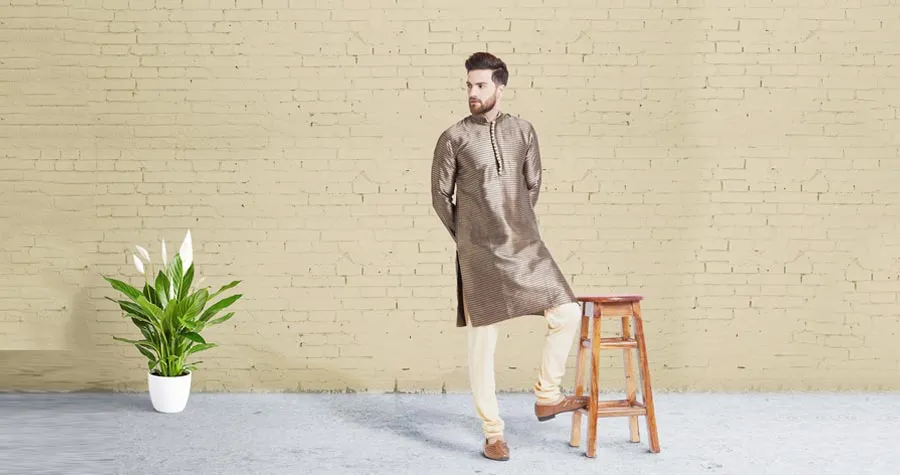
- Men’s unstitched kurta and kurta pyjama fabric
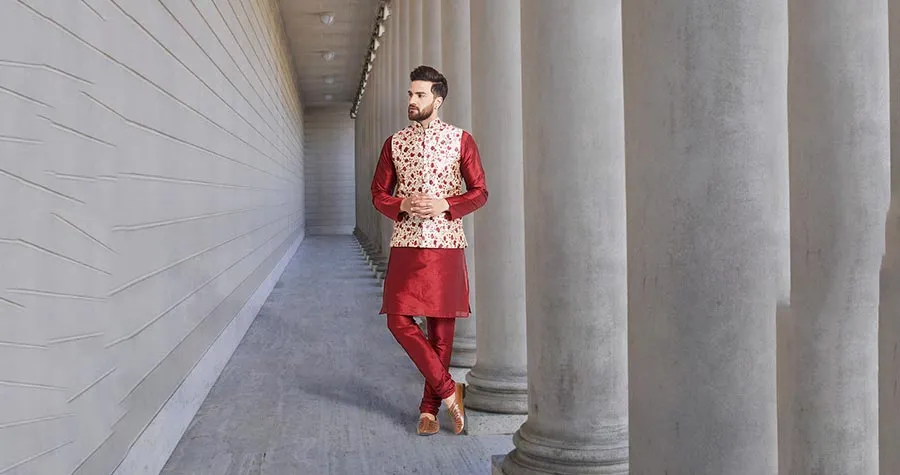
- Men’s kurta pyjama sets and Pathani salwar
- Dhoti and dhoti kurta sets
- Kurta jacket and Nehru jacket combinations
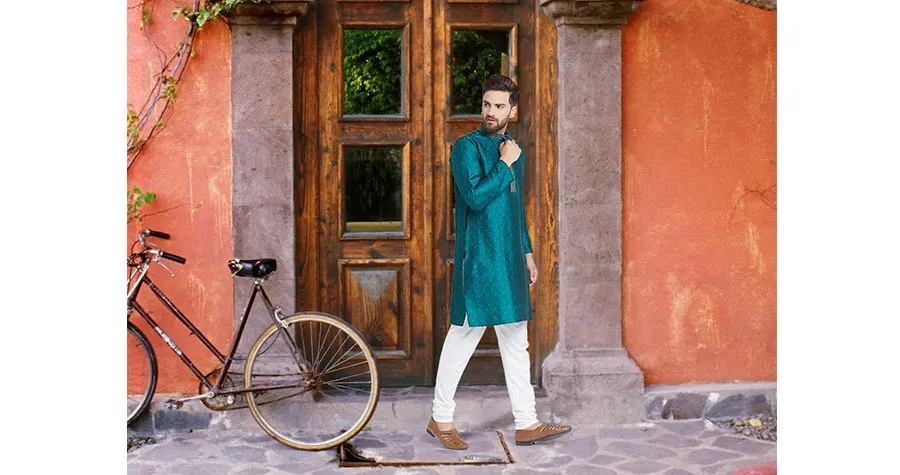
- Short and long kurtas for casual and festive occasions
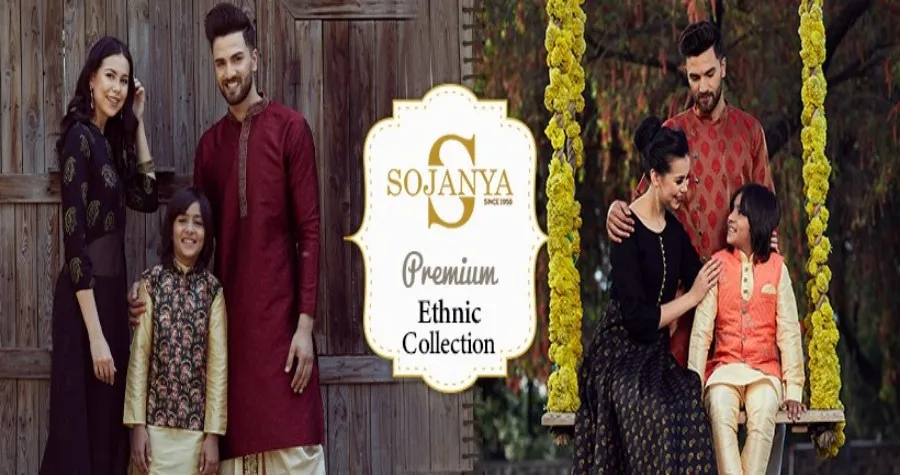
- Children’s ethnic wear including kurta pyjama and Pathani salwar
The product mix emphasizes a blend of traditional craftsmanship and contemporary design, catering to multiple age groups and fashion preferences.
4. Franchise Structure and Operating Model
Franchisees provide the physical retail space, manage daily store operations, and implement local marketing initiatives. The franchisor supplies inventory, operational guidelines, training, and ongoing support. Outlets follow standardized processes for sales, merchandising, and customer service to maintain brand consistency across locations.
5. Franchise Cost and Investment
| Estimated Investment | INR 5–10 Lakh covering store setup, inventory, and initial marketing |
|---|---|
| Franchise Fee | INR 5 Lakh for brand rights and operational onboarding |
| Royalty | 30% of revenue |
| Setup Costs | Store renovation, furniture, fixtures, and visual merchandising |
| Operational Costs | Staff wages, utilities, and local promotions |
The investment reflects mid-scale retail operations in the ethnic apparel sector.
6. Space and Setup Requirements
| Space | 1,000–2,000 sq. ft. |
|---|---|
| Preferred Locations | High-traffic retail areas, shopping centers, or commercial streets |
| Equipment/Setup Needs | Display racks, mannequins, cash counters, inventory management systems |
| Staffing Considerations | Sales staff, store manager, inventory handlers |
The setup supports an organized customer experience and efficient inventory management.
7. Training and Franchise Support
Franchisees receive:
- Operational training on store management and merchandising
- Marketing support including advertising campaigns and promotional materials
- Ongoing assistance for sales strategies, inventory planning, and customer engagement
- Technology integration for point-of-sale systems and inventory tracking
Support is designed to ensure consistent service and operational efficiency across stores.
8. Revenue Model and ROI Factors
Revenue is primarily generated from retail sales of ethnic wear collections. Key drivers include customer footfall, seasonal demand, repeat purchases, and online sales integration. Operational costs involve staffing, rent, inventory procurement, and marketing. Payback is expected within 1–2 years based on steady sales and efficient operations.
9. Brand Background and Expansion
Founded in 1958 under the Daulat Ram Om Prakash group, SOJANYA has a longstanding presence in India’s men’s ethnic wear market. Franchising commenced in 2018. The brand combines physical retail with e-commerce platforms such as Amazon, Myntra, and AJIO. Expansion targets urban retail hubs and new market segments for ethnic clothing.
10. What Makes This Franchise Different
SOJANYA integrates heritage craftsmanship with contemporary retail and online channels. Unlike typical ethnic wear retailers, the franchise combines legacy brand recognition, curated designer collections, and multichannel operations, allowing franchisees to benefit from both in-store customer engagement and digital marketplace reach.
11. Key Advantages of the Franchise
- Established brand with long-standing market presence
- Scalable retail model with both offline and online sales potential
- Repeat customer base through seasonal collections and brand loyalty
- Structured operational support including training, marketing, and inventory systems
- Opportunity to participate in the premium and designer ethnic wear segment
12. Who Should Consider This Franchise
Ideal franchisees include:
- Entrepreneurs with experience in retail or fashion
- Investors entering the ethnic clothing market
- Individuals capable of managing staff and store operations
- Business owners seeking structured franchise opportunities with brand support
Franchisees should have an understanding of local market trends and customer preferences in ethnic fashion.
14. Similar Franchise Opportunities
Investors may also evaluate:
- Manyavar – Men’s Ethnic Wear
- Raymond Ethnix – Designer and Traditional Apparel
- Kalyan Silks – Premium Men’s Ethnic Wear
- Pantaloons Men’s Collection – Ethnic & Casual Wear
These brands operate in the ethnic apparel segment, offering retail franchise models with comparable investment and operational requirements.
Accepting franchise applications in 30 states & UTs
What is the investment required for SOJANYA franchise?
The total investment ranges between INR 5–10 Lakh, including store setup, inventory, and marketing. Franchise fees of INR 5 Lakh cover brand usage and operational onboarding, with an ongoing 30% royalty applicable to store revenue.
How does the SOJANYA franchise operate?
Franchise outlets function as retail stores selling men’s ethnic wear. Franchisees manage daily operations including inventory, sales, customer service, and local promotions while adhering to brand guidelines and receiving support from the franchisor.
What space is required to start the franchise?
Stores require 1,000–2,000 sq. ft. in commercial or high-traffic retail areas to accommodate displays, inventory, and customer movement efficiently.
How long does it take to recover the investment?
The expected payback period is 1–2 years, depending on local market demand, seasonal sales, and operational efficiency.
How can investors apply for the franchise?
Prospective franchisees contact the brand’s franchise team, complete the application process, review operational requirements, and receive training and support before launching the outlet. ## 14. Similar Franchise Opportunities
Disclaimer: All scores, rankings, and estimates on ForeFind are independently produced editorial assessments using publicly available data and validated brand-submitted information. They are not verified facts, financial advice, or investment recommendations. Full Disclaimer.
