



Sizzante Sizzlers Franchise: How the Business Works and What to Expect as an Owner
What Sizzante Sizzlers Is and How It Got Here
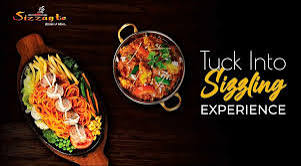
Sizzante Sizzlers franchise is a premium casual dining concept built around the sizzler format — the theatrical plating style where food arrives on a cast-iron plate over a wooden board, producing the signature hiss and smoke that defines the dining experience. Established in 2010, the brand has built a dual-appeal positioning: both vegetarian and non-vegetarian options served alongside salads, soups, pasta, and pizzas within a family-oriented yet premium dining environment. The sizzler format is the commercial anchor — it creates a dining occasion around a specific theatrical food experience that neither a standard restaurant nor a quick-service format replicates — and the broader menu extends the average table spend by providing complete meal coverage beyond the core sizzler offering. Over 15 years of franchising with 10 active locations, the brand has refined its operating model through formats that accommodate everything from lunch delivery to private group bookings for special occasions. A Sizzante outlet today is a 1,500 to 2,500 square foot dining destination that serves regular family meals alongside private celebration bookings.
A Franchisee’s Typical Operating Day
The operational day at Sizzante begins in the kitchen before service opens. The sizzler format requires mise en place that a standard restaurant does not — cast-iron plates need to be at serving temperature, protein and vegetable components need to be prepped and staged, and sauces and accompaniments need to be ready before the lunch service begins. A franchisee who has structured their kitchen correctly arrives to find prep underway rather than scrambling to organize it after opening. The kitchen team’s preparation discipline determines the tempo of service quality for the entire day.
Lunch service generates consistent revenue from office and residential neighborhood consumers seeking a complete meal. Dinner service, particularly on weekends, is higher-cover and higher-revenue — the extended dining occasions, beverage orders alongside food, and special occasion group bookings that generate the revenue that justifies the investment at this scale. The franchisee’s personal commercial value is in the floor: overseeing service quality during dinner peak periods, managing the experience for group bookings and celebrations, and building the direct relationships with the regular families and corporate groups whose repeat patronage compresses the revenue variability that walk-in-only operations face. The hardest operational moment of the day is not the peak — it is the transition between lunch and dinner, when the kitchen needs to reset while the front-of-house maintains readiness and delivery orders from the lunch window are still being fulfilled.
The Kitchen, the Menu, and the Supply Chain
Sizzante operates a live kitchen production model — all food is prepared fresh at the outlet rather than arriving centrally manufactured. The menu breadth, spanning sizzlers across multiple protein and vegetarian combinations alongside salads, soups, pasta, and pizzas, requires a kitchen team with diverse preparation competencies rather than a single specialized skill. This breadth is commercially advantageous because it increases average table spending by providing complete meal choices; it is operationally demanding because it requires more training depth per team member than a single-focus menu format.
The supply chain for a Sizzante outlet covers proteins, fresh vegetables, dairy, pasta and pizza bases, and the cast-iron plate maintenance that the sizzler format requires. In a Tier 2 city, the fresh ingredient supply chain — particularly consistent protein quality — requires established vendor relationships rather than open-market purchasing. Franchisees who build these supplier relationships during the setup phase rather than after opening establish quality consistency from the first week of service. Cast-iron plate maintenance is a category-specific operational requirement the franchisee should include in their opening preparation: plates that are improperly seasoned or maintained produce inferior sizzler results regardless of food quality.
Location: What Works and What Kills the Business
The Sizzante Sizzlers format performs best where the immediate consumer catchment includes families seeking a complete dining occasion and where the dinner occasion is a regular rather than special-event behavior. Residential neighborhoods, commercial high streets with genuine family demographic density, and premium mall locations with established family footfall all support the format’s revenue model. The sizzler format’s theatrical service — the cast-iron presentation, the visual drama of the smoking plate — is also a social media marketing asset that benefits from foot-traffic visibility rather than being buried in a secondary mall location.
Within 500 metres, the competition assessment should focus on mid-premium family dining alternatives rather than on fast food, because the consumer choosing Sizzante is making a deliberate dining occasion decision rather than a convenience purchase. Parking availability matters for family dining in Tier 2 cities more than for urban metro markets where the customer relationship with personal vehicle access to dining destinations affects evening reservation patterns. Delivery rider access is commercially relevant for the lunch delivery channel, which can extend revenue reach beyond the physical dining room without requiring additional seating capacity.
Staff: Hiring, Training, and the Retention Problem
Eight to twenty staff covers a range from a lean single-shift minimum team to a fully staffed double-shift operation. At minimum viable staffing for a 1,500 square foot outlet, the roles typically include two to three kitchen staff, two to three front-of-house service staff, and a floor supervisor or manager. The sizzler format requires kitchen staff who understand the specific timing of each sizzler preparation — plate temperature, protein doneness, presentation assembly — that a generalist kitchen background does not automatically provide. Training is therefore more intensive at the kitchen level than a standard casual dining concept requires.
In a Tier 2 city, experienced hospitality staff who have worked in comparable quality dining formats are available but not abundant. The practical recruitment approach is to hire for service orientation and team discipline and invest in training from the Sizzante system rather than expecting candidates to arrive fully prepared. Turnover in the kitchen team carries more commercial impact than front-of-house turnover because the sizzler production quality drops visibly when a trained cook is replaced by someone still learning the format. The cost of this quality inconsistency is measured in customer complaints and reduced repeat visit frequency, not just in the training time investment for the replacement hire.
What the Franchisor Handles So You Do Not Have To
Sizzante provides franchisees with the menu — developed over 20-plus years of brand experience in the F&B domain — which eliminates the menu development and testing investment a new independent would face. The brand’s training program for kitchen and service staff establishes the sizzler format’s specific operational standards before the outlet serves its first customer. Setup guidance, the brand identity framework, and group booking and private event packaging systems give the franchisee a complete commercial model to execute rather than constructing it independently. The franchise fee covers access to this accumulated system knowledge.
The franchisee independently manages excise licensing where applicable to the bar and pub category designation, FSSAI and Fire NOC compliance, lease negotiation for 1,500 to 2,500 square feet of commercial space, daily kitchen production quality oversight, staff management and retention across eight to twenty team members, local community marketing and group booking development, and the ongoing customer relationship building that converts single-visit diners into regular occasion-driven patrons. The brand provides the product; the franchisee executes it in their specific market.
Who Runs a Sizzante Sizzlers Franchise Successfully
The Sizzante Sizzlers franchise consistently reaches the 18-month break-even end of its range for franchisees who are physically present during dinner service at least five evenings per week in the first year, who treat the private event and group booking pipeline as a structured commercial activity rather than an occasional windfall, and who maintain the kitchen’s sizzler production standard as a non-negotiable daily quality commitment rather than an aspirational target. The experienced F&B operator who brings prior staff management discipline and understands that a dining occasion format’s revenue is built through regular patron relationships rather than through marketing alone builds break-even momentum within the shorter timeline. Absentee investors who appoint a manager and monitor through revenue reports without personal presence in the dining room consistently fail to build the customer relationships and maintain the service quality that a premium dining format requires to sustain occupancy at the levels the monthly cost structure demands.
How much space does a Sizzante Sizzlers franchise require?
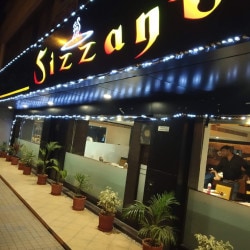
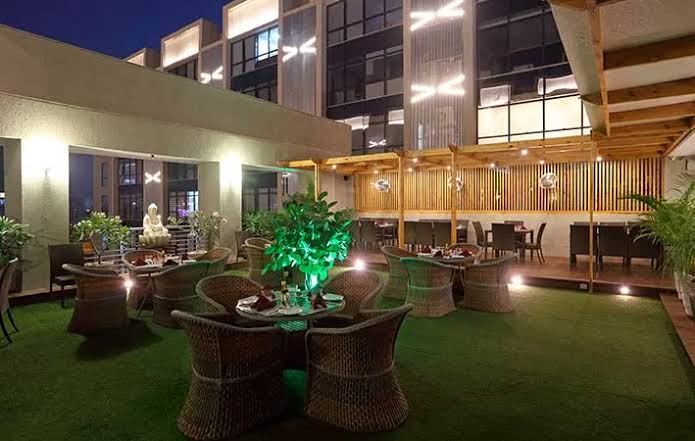
A Sizzante Sizzlers franchise requires between 1,500 and 2,500 square feet of commercial space, suitable for a kitchen capable of live sizzler production, a dining room with adequate table spacing for the cast-iron plating service, and space for private group bookings. Ground-floor or accessible mall positioning that allows the sizzler's visual and sensory drama to be partially visible from outside the dining space contributes to walk-in conversion. Delivery rider access and parking availability for family dining occasions are practical location considerations alongside the core space requirement.
How long does it take to set up and open a Sizzante Sizzlers outlet?
Setup for a Sizzante Sizzlers franchise typically takes five to nine months from confirmed premises, covering kitchen equipment procurement and installation including cast-iron plate infrastructure, dining room fit-out to brand standards, excise and FSSAI licensing applications, Fire NOC compliance, staff recruitment, and pre-opening training. Excise licensing timelines vary by state and should be treated as the critical path item in the opening schedule. Franchisees who initiate all regulatory applications simultaneously with physical setup rather than sequentially achieve the shortest timeline to opening day.
What training does Sizzante Sizzlers provide before opening?
Training covers the Sizzante menu including the sizzler production methodology — plate temperature management, protein cooking sequences, presentation standards — alongside the broader menu of salads, soups, pasta, and pizzas. Service standards, group booking management, private event packaging, delivery order fulfillment, and kitchen operational procedures are included. The training is designed to bring both the kitchen and front-of-house teams to the brand's operational standard before the first customer service. Kitchen staff training is more technically intensive in this format than in standard casual dining due to the sizzler-specific preparation requirements.
Can a Sizzante Sizzlers franchise operate without the owner being present daily?
The Sizzante Sizzlers format — a premium dining concept where service quality, food presentation, and customer experience drive return visits — requires active owner engagement rather than remote oversight, especially during the break-even period. A hired manager can maintain established operational routines, but the relationship-based customer loyalty that fills the private event calendar and drives regular family patronage requires the owner's personal presence and genuine engagement with the dining community. Full absentee management from day one consistently produces service quality drift and customer retention gaps that remote monitoring cannot detect or correct in time to prevent commercial damage.
How many Sizzante Sizzlers outlets are currently operating in India?
The Sizzante Sizzlers franchise network has 10 active locations, with approximately 0.7 new outlets added per year across 15 years of franchise activity. This measured growth pace reflects the format's complexity — premium dining concepts require careful site selection and franchisee qualification — rather than limited commercial demand. For prospective franchisees, the 10-location network means that most Indian markets have available territory and that early-entry franchisees establish local brand presence before the network reaches the density level that creates intra-brand competition in their market.
Disclaimer: All scores, rankings, and estimates on ForeFind are independently produced editorial assessments using publicly available data and validated brand-submitted information. They are not verified facts, financial advice, or investment recommendations. Full Disclaimer.
