



Drifters Breweries Franchise: Market Position, Category Opportunity and Competitive Edge
Drifters Breweries and Where It Fits in India’s Food Franchise Landscape
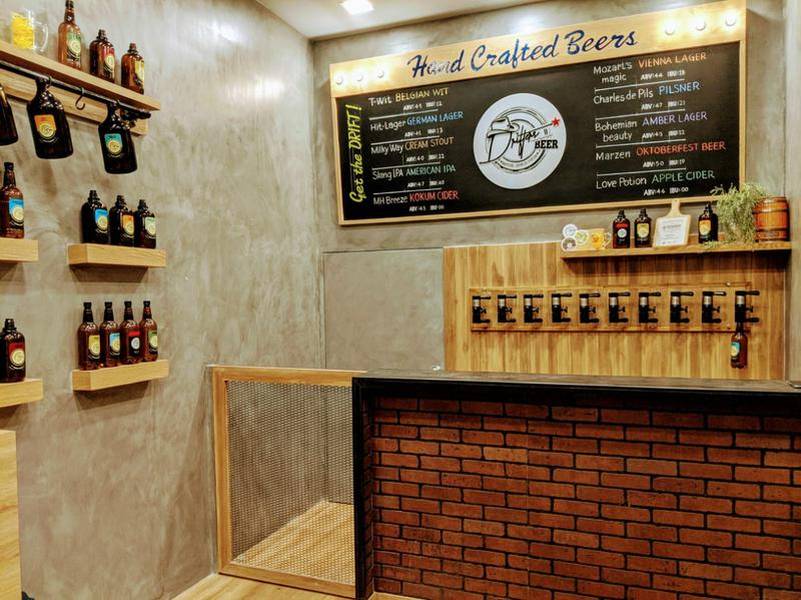
Drifters Breweries franchise operates in the craft beer and dining segment, bringing Czech brewing methodology — centuries-old techniques using imported malt and hops from the Czech Republic — to an Indian urban bar and dining format. The brand occupies a specific and defensible niche: the craft beer experience that is authentically European in its brewing process but calibrated specifically to Indian consumer taste preferences, developed through direct research across major Indian cities including Bengaluru, Pune, Mumbai, and Gurugram before the brand launched commercially. This market research-informed product development distinguishes it from international beer brands that arrive in India with recipes unchanged from their home markets and discover local taste calibration too late.
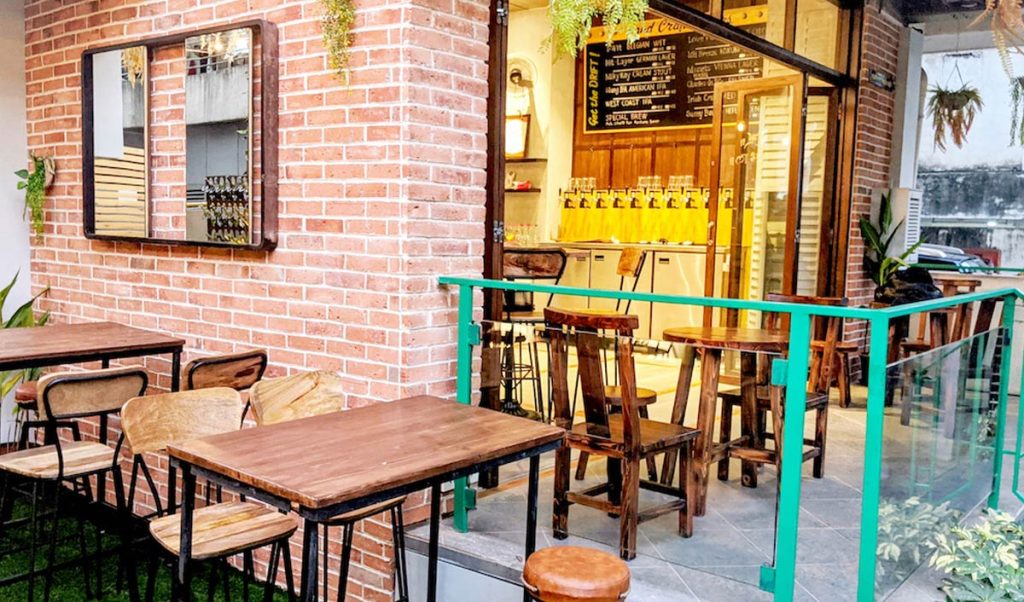
The 1,500 to 2,500 square foot format positions Drifters as a focused craft beer destination rather than a large-format entertainment venue — a size that keeps capital requirements within the INR 1 to 2 crore range while supporting the intimate, knowledge-led beer experience the brand is built around. For HNI investors and business groups evaluating premium F&B investments, this format calibration matters: it delivers premium brand positioning without the operational complexity of a large-format multi-cuisine destination.
Why This Food Format Is Growing in India Right Now
India’s craft beer market has been growing materially over the past decade, and the primary driver is demographic rather than regulatory. The urban working professional cohort aged 25 to 40 — dual-income households with discretionary income and a social calendar that includes bar visits as routine rather than exceptional occasions — has expanded in absolute numbers across India’s Tier 1 and better-served Tier 2 cities. This cohort has also become more discerning in its beer preferences, moving away from mass-produced lagers toward craft options with documented brewing methodology, authentic ingredient sourcing, and differentiated flavor profiles.
The premium bar category is structurally resistant to the delivery platform disruption that has reshaped fast food and casual dining economics. Consumers who visit a craft brewery pub are purchasing the experience — the atmosphere, the fresh on-premise beer, the social occasion — not just the product. This in-venue consumption dynamic means the category’s revenue is protected from delivery commission erosion in a way that food-only restaurant formats are not. The recession resistance noted in the brand’s profile reflects a documented pattern in the hospitality industry: premium experience bars retain patronage better during economic stress than discretionary retail categories, because consumers who cut spending still allocate for social occasions.
What Drifters Breweries Does Differently From Independent Food Outlets
An independent bar owner attempting to build a Czech craft beer concept in India from scratch faces a specific problem that Drifters Breweries has already solved: sourcing quality Czech malt and hops, developing brewing recipes calibrated to Indian taste preferences, and building the supplier relationships that ensure consistent ingredient supply. The brand spent its pre-launch period doing exactly this work — conducting market research across multiple Indian cities, sourcing from Czech suppliers, and developing recipes that perform well with Indian consumers. A franchisee inherits this product development investment rather than undertaking it independently.
The operational knowledge accumulated through 14 years of brewery pub operations — managing fermentation cycles, staff training for knowledgeable beer service, venue programming that builds regular patronage — is embodied in the franchise system rather than having to be developed through an independent’s trial-and-error first years. Independent craft beer bar operators in India have a meaningful failure rate in their early years precisely because these operational competencies take time to develop. The Drifters franchise transfers them at investment, not after three years of learning.
The Investment Case: How Drifters Breweries Compares at This Price Point
At INR 1 to 2 crore, most premium F&B investments either involve large-format restaurant brands with complex multi-cuisine kitchens or international QSR brands with high royalty structures and prescriptive operational requirements. Drifters Breweries occupies a different position: a focused craft brewery concept with a specific product identity, a smaller operational footprint than full-service restaurant franchises at this price point, and a 14-year brand history in the Indian market that demonstrates concept durability. The 0.7 units per year expansion rate is not a weakness — it reflects the brand’s careful site selection and franchisee qualification process rather than limited demand, and it signals that each franchise location has been evaluated for commercial viability rather than issued to any investor who meets the capital threshold.
For an investor comparing this against other premium F&B options, the Drifters concept’s recession resistance and low seasonality are structurally valuable: the craft beer occasion is not concentrated in a few calendar peaks the way celebration bakeries or wedding catering businesses are, which means the revenue model is more consistent across the year once the venue reaches full operational maturity.
Geographic Opportunity: Where Drifters Breweries Is Expanding
With 10 operational units, Drifters Breweries has built its network primarily in Maharashtra and has explicitly articulated national expansion ambitions. The white space for the franchise is substantial: every Tier 1 Indian city outside the current footprint, and the growing craft beer consumer base in Tier 2 cities like Pune suburbs, Hyderabad, Bengaluru’s satellite markets, Chandigarh, and Jaipur, all represent territory where the brand’s Czech brewing story and premium craft beer identity have not yet been claimed locally. Investors who enter these markets now have first-mover positioning in the Drifters brand rather than arriving after the territory is populated with competing franchisees. Territory allocation provisions and exclusivity terms are confirmed during the franchise evaluation process, and given the brand’s measured expansion approach, prospective franchisees should expect a thorough evaluation rather than rapid commitment.
The Risks of This Category and How Drifters Breweries Mitigates Them
Delivery platform margin pressure is structurally low in this category because craft brewery pubs primarily generate revenue from in-venue consumption rather than delivery orders — a fundamental business model distinction from food delivery-dependent restaurants. Raw material volatility for imported Czech malt and hops is a real procurement risk; the brand’s established supplier relationships provide some price consistency and supply continuity that an independent sourcing without volume relationships would not access. Excise regulatory risk — the most India-specific risk in any alcohol-serving venue — requires the franchisee to understand and monitor their state’s regulatory environment actively; the brand’s operational experience across 14 years provides guidance on navigating this but cannot remove it as a category risk. Location dependency is mitigated through the brand’s site selection support, but the franchisee’s own demographic analysis of the specific proposed location’s evening and weekend consumer profile remains a critical pre-commitment due diligence step.
Who Captures the Most Value From a Drifters Breweries Franchise
The Drifters Breweries franchise rewards franchisees who combine operational engagement with community building — specifically, those who treat the venue’s regular patronage development as an active commercial priority from the first month of operation rather than waiting for the brand’s reputation to generate organic return visits. An HNI investor who is personally present at the venue during peak service hours, who builds personal relationships with the regular customers who drive referral-based awareness in their social networks, and who programs the venue with events — beer tasting evenings, sports screenings, private celebrations — that give consumers reasons to visit beyond routine drinking occasions reaches the 18-month end of the break-even range rather than the 36-month end. The investor who deploys capital without personal operational engagement, relying on hired management and the brand’s identity to fill seats, consistently discovers that craft beer venue success depends on the owner’s authentic community presence more than on any other single operational variable.
How does Drifters Breweries compare to other food franchises in the same investment range?
At INR 1 to 2 crore, most premium F&B franchise alternatives require either larger spaces and more complex operations than Drifters Breweries' 1,500 to 2,500 square foot format, or carry the royalty and operational constraints of international brand licensing. Drifters offers a focused craft brewery concept with Czech brewing heritage, Indian taste calibration developed through real market research, and 14 years of operational history in the Indian market — a combination of authentic product identity and local adaptation that competing options at this price point rarely achieve together.
Does Drifters Breweries work in Tier 2 and Tier 3 cities in India?
Tier 2 cities with established corporate and professional consumer bases — Chandigarh, Jaipur, Coimbatore, Visakhapatnam, Nagpur — present genuine opportunity for Drifters Breweries franchise, where craft beer culture is growing but organized premium brewery concepts are limited. The critical evaluation criterion is whether the specific city has a sufficient concentration of the target demographic — dual-income working professionals and socially active adults with premium discretionary spending — within a viable catchment radius of the proposed venue location. Excise licensing complexity varies significantly by state, which is a prerequisite research item before evaluating any specific city.
What is the Drifters Breweries franchise expansion plan for the next two years?
Drifters Breweries has articulated national expansion ambitions and is actively seeking franchise partners across Indian cities beyond its current Maharashtra-centric network. The 0.7 units per year growth rate reflects selective expansion rather than rapid scaling — the brand evaluates franchisee experience and location quality before committing. Specific expansion priorities and territory availability are discussed during the franchise evaluation process, and prospective franchisees should engage directly with the brand to understand which markets are currently being considered and what the qualification process entails.
How does Drifters Breweries handle competition from food delivery aggregators?
The craft brewery pub category is structurally less exposed to delivery aggregator margin pressure than food-focused restaurant formats because the primary revenue source — on-premise draft beer consumption — cannot be replicated through delivery. Customers who visit Drifters for the fresh-brewed craft beer experience are purchasing the venue occasion, not just a product. Food delivery orders are a supplementary revenue channel rather than a primary one, which means the 25 to 30 percent aggregator commission applies to a smaller share of total revenue than it would for a pure food concept at the same investment level.
What support does Drifters Breweries provide for local marketing?
Drifters Breweries provides franchisees with the brand identity framework, product story, and operational knowledge that form the foundation of local marketing activity. The Czech brewing heritage — malt and hops sourced directly from the Czech Republic, recipes developed through Indian market research — provides an authentic and specific brand narrative that local marketing can activate rather than requiring the franchisee to construct a brand story from scratch. Local event programming, community outreach, and social media presence tied to the specific venue are the franchisee's primary marketing activities, supported by the brand's product identity and the premium positioning that Czech craft brewing credentials communicate in the premium urban consumer market.
Disclaimer: All scores, rankings, and estimates on ForeFind are independently produced editorial assessments using publicly available data and validated brand-submitted information. They are not verified facts, financial advice, or investment recommendations. Full Disclaimer.
