


TGB Bakers & Confectioners Pvt. Ltd. Franchise: How the Business Works and What to Expect as an Owner
What TGB Bakers & Confectioners Pvt. Ltd. Is and How It Got Here
TGB Bakers & Confectioners Pvt. Ltd. franchise is a bakery and confectionery retail operation that has been running since 2004, with franchising formally underway since 2006. Over 21 years, the brand has built a network of 20 to 50 outlets growing at approximately 1.7 new units per year — a deliberate pace that reflects careful expansion rather than rapid scaling. The brand’s category focus is on daily and celebration bakery products for families and individual consumers, operating from a 350 to 500 square foot high-street or residential commercial format. At the INR 50,000 to 2 lakh investment level, TGB Bakers offers one of the lowest capital entry points in the organized Indian bakery franchise category, with a ₹1.5 lakh brand fee that represents the primary upfront licensing cost. The 21-year franchise history is the most commercially relevant fact for any prospective franchisee: a bakery brand that has maintained franchisee operations across two decades without structural discontinuity has demonstrated the model’s commercial viability through multiple economic cycles.
A Franchisee’s Typical Operating Day
The bakery day is front-loaded. Revenue opportunities are highest in the morning and early evening, and a TGB Bakers franchisee whose operation is not fully prepared before these windows open loses transactions that cannot be recovered later in the day. Opening involves confirming that the display is fully stocked, that products scheduled for the morning are ready or in final production, and that the counter is set up for the first walk-in customers. This preparation determines whether the outlet presents well during the hours when consumer purchase motivation is highest.
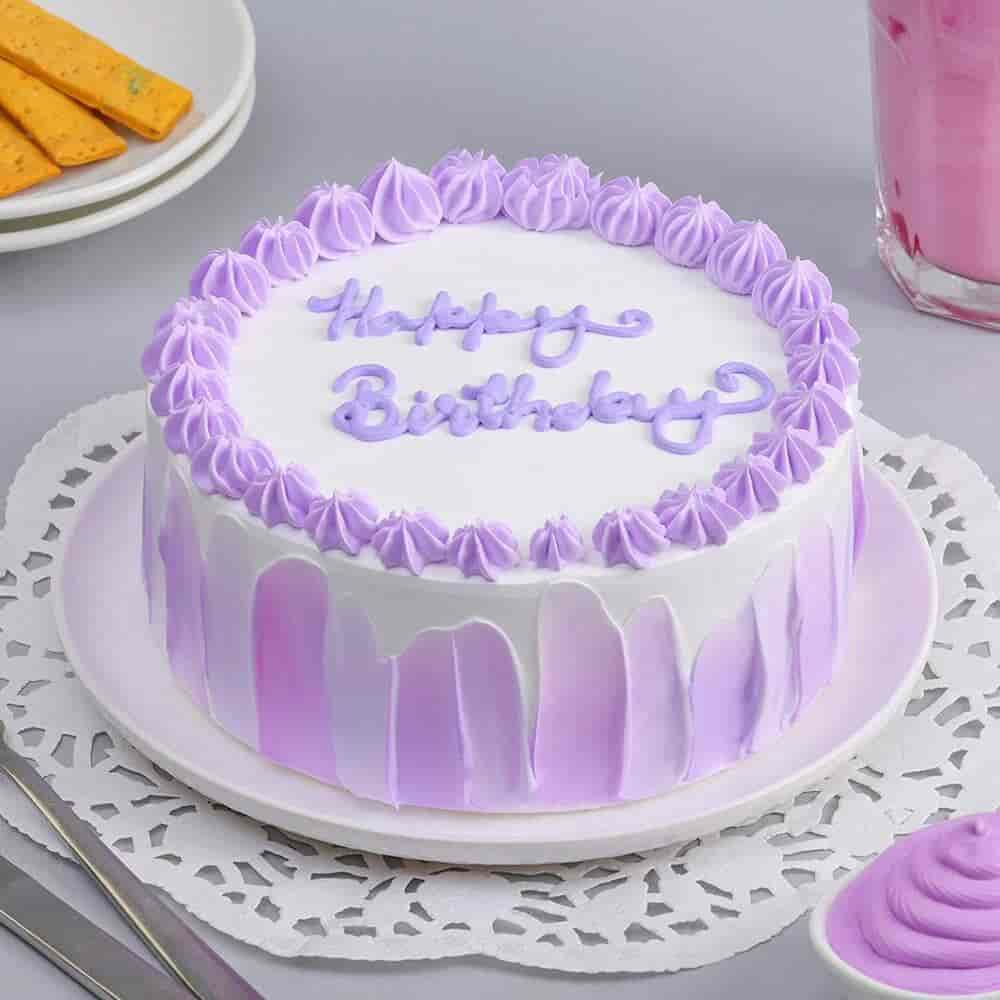
Through the operating day, the franchisee’s attention alternates between the front counter — managing staff service quality, handling customer queries about occasion cakes and custom orders, and maintaining display standards as products are sold — and the back-of-house production, which needs to stay ahead of sales without creating excessive end-of-day waste on perishable items. The peak of the franchisee’s personal commercial value is in customer relationship moments: the regular customer whose birthday order they remember, the office manager they approach about bulk occasion purchases, the housing society event they approach with a catering proposal. These relationships are the compounding commercial asset of a neighborhood bakery, and they are built through consistent personal presence rather than through staff delegation.
The Kitchen, the Menu, and the Supply Chain
TGB Bakers operates a fresh production model — products are made at the outlet rather than arriving centrally manufactured. This creates a direct quality control relationship between the franchisee’s operational standards and the product that reaches the customer. The brand’s recipes and production standards are established through the franchise training and operational guidelines; the consistency of daily execution is the franchisee’s ongoing responsibility. Fresh production also means daily ingredient management: perishable inputs need to be ordered with enough lead time to prevent stockouts but not so far ahead that they sit in storage through their freshest period.
In a Tier 2 city, ingredient supply for a standard bakery range — flour, butter, sugar, dairy, eggs, basic flavorings — is generally available through organized wholesale markets or distributor relationships, and the franchise’s supplier guidance helps new franchisees establish these connections during setup. Specialty items for custom orders — fondant, edible printing materials, imported flavors — may require advance ordering or urban sourcing for franchisees in smaller cities, and building these supplier relationships before the outlet opens is more productive than discovering gaps mid-operation when a customer order requires them.
Location: What Works and What Kills the Business
A TGB Bakers franchise in a 350 to 500 square foot format depends on two things from its location: enough daily consumer foot traffic to sustain walk-in bakery purchases, and enough occasion-oriented households within catchment distance to generate the custom cake and gifting orders that lift average transaction value. These two requirements point toward similar location types: residential high streets with morning commuter and school-run traffic, neighborhood commercial strips where working families shop regularly, and colony commercial areas where households celebrate birthdays and anniversaries.
The competition within 500 metres assessment should focus on organized branded alternatives rather than unbranded local bakeries, as these are the outlets that draw the quality-conscious consumer who might otherwise choose TGB Bakers. Delivery rider access — ground-floor location, street-side pickup space — matters for the delivery platform orders that supplement walk-in revenue, particularly for occasion cake orders where the customer may prefer home delivery over a trip to the outlet. A location that generates consistent morning footfall from residential commuter movement is the lowest-maintenance demand generator the format has; a location dependent entirely on destination visits requires proportionally more marketing effort to sustain the same daily transaction volume.
Staff: Hiring, Training, and the Retention Problem
At standard operating volume, a TGB Bakers outlet needs three to five staff: a baker with production responsibility, a counter person managing walk-in sales and customer service, and a production assistant during peak preparation periods. In a Tier 2 city, the baker role is the hardest to fill — trained commercial bakers exist but are not always available locally, and those who are may receive competing offers from larger food service operators. The practical approach is to hire candidates with foundational cooking or baking interest and invest in developing their skills through the TGB Bakers training program, rather than waiting for a ready-made commercial baker who may not materialize locally.
The real cost of staff turnover in a small bakery operation is not the replacement salary — it is the production disruption during the transition period. When the baker leaves, the quality consistency of the product suffers until a trained replacement reaches full competency. In a brand-sensitive operation where product quality is the primary reason customers return, this inconsistency is a retention risk that affects not just the immediate transition but the customer relationships being built during that period. Franchisees who invest in team stability — through clear daily roles, fair compensation relative to the local market, and visible skill development — experience significantly less of this disruption than those who treat staff as interchangeable.
What the Franchisor Handles So You Do Not Have To
TGB Bakers provides franchisees with the brand identity that has been built over 21 years of operations, the product recipes and quality standards that define the TGB range, training on production methodology and operational procedures, and the franchise framework that establishes the basis for the franchisee’s commercial activity. The ₹1.5 lakh brand fee and the ongoing franchise relationship fund these contributions. For a first-time entrepreneur or salaried professional entering the bakery category for the first time, the training and operational framework remove the product development and standard-setting effort that an independent starting from zero must do without guidance.
The franchisee manages independently: lease negotiation and rent management for the 350 to 500 square foot commercial space, daily production quality oversight, staff recruitment and management in their city, local community marketing and social media management, delivery platform account maintenance, FSSAI compliance at the outlet level, and the active development of corporate and occasion gifting relationships that supplement walk-in retail demand. The brand provides the system and the product standards; local market execution is entirely the franchisee’s commercial responsibility.
Who Runs a TGB Bakers & Confectioners Pvt. Ltd. Franchise Successfully
The TGB Bakers franchise performs best for first-time entrepreneurs, salaried professionals, and retired individuals who are physically present in the outlet during morning and evening peak hours, who treat the brand’s production and quality standards as daily non-negotiables rather than aspirational targets, and who actively build personal relationships with the regular customers whose birthday orders, annual gifting occasions, and neighborhood referrals become the commercial backbone of the business. Absentee investors who deploy the franchise fee and then manage through hired staff without personal presence in the outlet consistently fail to build the customer relationships and maintain the production standards that a neighborhood bakery at this scale requires to reach and sustain break-even.


How much space does a TGB Bakers & Confectioners Pvt. Ltd. franchise require?
A TGB Bakers franchise requires between 350 and 500 square feet of commercial space on a high street or in a residential commercial area. This footprint accommodates a live production kitchen, a customer-facing display and counter area, and basic inventory storage. The space configuration should allow for both production activity and customer service without the two functions interfering with each other during peak periods. Ground-floor visibility and delivery rider access are practical location requirements alongside the basic size criterion.
How long does it take to set up and open a TGB Bakers & Confectioners Pvt. Ltd. outlet?
Setup typically takes four to eight weeks from confirmed premises, covering kitchen equipment installation, basic fitout to brand standards, FSSAI registration, initial ingredient procurement, and staff training. Franchisees who initiate FSSAI registration in parallel with the physical setup rather than after completion avoid the post-construction licensing delay that commonly pushes opening dates back by two to four weeks. The training component should be completed before the first customer arrives rather than during early trading, which is when first impressions with the local community are being formed.
What training does TGB Bakers & Confectioners Pvt. Ltd. provide before opening?
Training covers the TGB bakery product range, production procedures and quality standards, counter operations, customer service protocols, basic inventory management, and FSSAI food safety and hygiene requirements at the outlet level. The training is designed to bring the franchisee and their initial production team to an operational standard before the outlet serves its first customer. Ongoing guidance from the brand's operational support structure is available as the franchisee builds their operational experience after opening.
Can a TGB Bakers & Confectioners Pvt. Ltd. franchise operate without the owner being present daily?
Daily owner presence is the operating standard that produces the strongest early-stage commercial performance in this format. The 6 to 12 month break-even window depends on building consistent production quality, developing regular customer relationships, and managing staff performance in a small team environment — all of which benefit from the franchisee's personal presence rather than remote oversight. Once operational routines are stable and a reliable team is in place, reduced daily presence becomes more feasible, but full absentee management from the outset is not appropriate for a neighborhood bakery format at this scale and investment level.
How many TGB Bakers & Confectioners Pvt. Ltd. outlets are currently operating in India?
The TGB Bakers franchise network has between 20 and 50 active locations, with approximately 1.7 new outlets added per year since franchising commenced in 2006. The network's 21-year franchise history provides prospective franchisees with evidence of commercial durability at the unit level while significant territory remains available across Indian markets. Franchisees evaluating specific city or location opportunities should discuss territory availability and any exclusivity provisions directly with TGB Bakers during the franchise inquiry process.
Disclaimer: All scores, rankings, and estimates on ForeFind are independently produced editorial assessments using publicly available data and validated brand-submitted information. They are not verified facts, financial advice, or investment recommendations. Full Disclaimer.
