



AIS Windshield Experts Franchise: Workshop Operations, Daily Management and What Owning This Business Requires
What AIS Windshield Experts Does and Which Vehicles It Serves
AIS Windshield Experts franchise specializes exclusively in automotive glass — windshield repair, windshield replacement, side glass replacement, and rear glass services — across passenger cars, SUVs, and commercial vehicles. The brand operates under the Asahi India Glass umbrella, which means the glass supplied through every franchise outlet comes from India’s largest integrated glass manufacturer rather than the secondary market. This upstream integration is commercially significant: the franchisee is not sourcing glass from a distributor chain where quality and authenticity can vary — they are supplying the manufacturer’s own product with the installation standards to match.
A typical customer engagement begins when a vehicle owner arrives with a damaged or cracked windshield — often triggered by a stone chip, impact damage, or post-monsoon inspection. The franchisee or service advisor assesses whether repair is viable for small chips or whether full replacement is required. For insurance-covered replacements, the process includes paperwork coordination with the insurer, which AIS Windshield Experts has structured as a preferred service provider for multiple insurance companies. The vehicle is returned after installation with a curing period guidance to ensure the polyurethane adhesive sets correctly before the owner drives at speed.
Workshop Operations: A Typical Service Day
Opening an AIS Windshield Experts outlet each morning involves checking glass inventory against the day’s confirmed appointments and any expected walk-in demand, confirming insurance pre-authorizations for jobs scheduled through insurer referrals, and preparing the fitting bay for the first vehicle. Vehicle intake is brief but precise: the service advisor logs the vehicle make, model, year, and glass specification required, creates a job card, and confirms delivery timing with the customer. Because automotive glass replacement uses adhesive that requires a defined curing window — typically 60 to 90 minutes before the vehicle can be driven safely — scheduling management is as important as technical execution.
Bay allocation follows job complexity. A windshield chip repair takes 30 to 45 minutes and does not displace a full replacement bay. A complete windshield replacement on a standard sedan occupies a bay for 90 minutes including adhesive application and initial curing checks. Technician task assignment ensures that the fitting is done by a trained glass technician while a second staff member manages customer communication, insurance paperwork, or the next job card. The pre-delivery quality check — verifying adhesive seal integrity, checking that the glass is seated correctly without gaps, and confirming that any integrated ADAS sensors are recalibrated where required — is the final step before the vehicle is returned and the customer is briefed on the post-installation curing precautions.
Technician Recruitment, Training, and Productivity
Automotive glass fitting is a skilled but learnable trade — it does not require the years of mechanical workshop apprenticeship that engine repair demands, but it requires precision in adhesive application, glass handling, and seal integrity that cannot be shortcut. In Tier 2 cities, the most practical recruitment approach is hiring candidates with fine motor skills and mechanical aptitude — automotive electricians, body shop assistants, or technically inclined general workers — and investing in the AIS Windshield Experts training program to develop glass-specific capability from that foundation.
The franchisor’s training covers glass removal and fitting procedures across vehicle types, correct polyurethane adhesive application technique, chip repair resin injection methodology, insurance claim processing, and customer communication standards. A trained technician who works consistently to the AIS installation protocol produces leak-free, structurally sound results that generate positive word-of-mouth. Technician productivity — measured by jobs completed per shift rather than hours spent per job — improves significantly with experience in the first three to four months; franchisees who invest in supervised practice during the ramp-up period rather than rushing technicians into unsupervised jobs achieve consistently better quality scores and lower rework rates.
Parts Procurement, Inventory Management, and Margin
Glass inventory management is the operational challenge that separates well-run AIS Windshield Experts outlets from those that lose jobs to competitors. Automotive glass is vehicle-specific — a windshield for a Maruti Swift is not interchangeable with one for a Hyundai Creta — which means a franchisee needs adequate stock depth across the most common vehicle models in their territory. Understocking on high-demand models means turning away jobs or making customers wait for delivery; overstocking on slow-moving models ties up working capital on shelves.
The structural advantage of the AIS supply relationship is that franchisees source directly from the manufacturer rather than through secondary distributors, which eliminates the counterfeit and grade-mismatch risk that affects independent glass workshops sourcing from open-market channels. Aftermarket glass of inconsistent quality is a documented problem in the Indian automotive glass market — poorly fitting or structurally substandard windshields are a safety and liability issue that the AIS franchise’s direct supply chain prevents. This quality assurance is the primary reason insurance companies and corporate fleet operators prefer AIS Windshield Experts outlets over independent glass shops, and it is the foundation of the institutional account revenue that differentiates high-performing franchisees.
Customer Acquisition and Building a Repeat Client Base
Windshield damage is not a scheduled maintenance event — it happens unpredictably, which means walk-in and referral demand rather than appointment-based recurring service drives this business. The customer acquisition strategy that consistently produces the highest daily job counts is institutional rather than retail: insurance company empanelment, corporate fleet agreements, and taxi or cab aggregator tie-ups that direct their vehicles to the AIS outlet when glass damage occurs.
AIS Windshield Experts’ position as a preferred service provider for insurance companies is the most commercially significant acquisition channel available to franchisees. Insurance-referred replacements generate jobs without marketing effort — the insurer directs the policyholder to the nearest empanelled outlet. A franchisee who actively maintains their empanelment relationship and delivers the turnaround times insurers require builds a steady institutional referral flow alongside retail walk-in volume. Corporate fleet accounts — companies with 20 to 100 vehicles whose glass damage goes through a designated service provider — add a second institutional layer that provides volume independent of retail demand cycles.
Equipment, Technology, and Diagnostic Systems
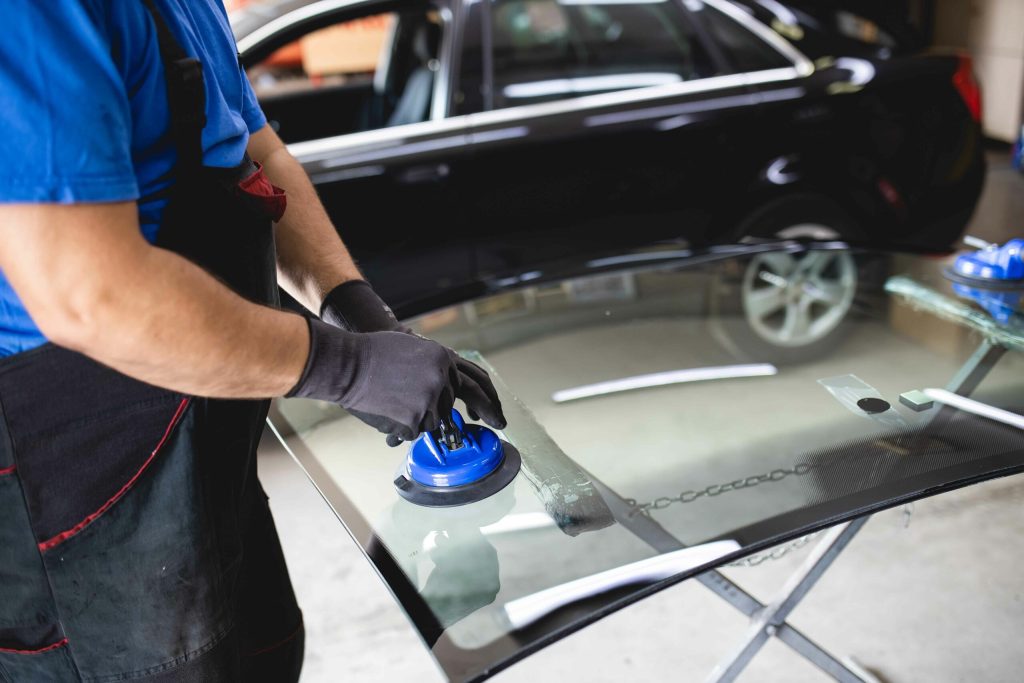
An AIS Windshield Experts outlet requires a fitted service bay equipped for glass removal, adhesive application, and curing. The equipment set includes glass removal tools, polyurethane adhesive dispensing systems, chip repair resin injection equipment, and the handling infrastructure — suction cups, safety glass supports — required to manage automotive glass safely during fitting. This equipment is provided as part of the franchise setup, which ensures that all outlets operate with the same installation capability regardless of the franchisee’s prior equipment sourcing experience.
Technology in daily operations centers on job management and insurance processing. A job tracking system logs each vehicle, the glass specification fitted, the adhesive batch used, and the technician who performed the installation — data that matters both for quality management and for insurance claim documentation. Franchisees who maintain accurate job records build a transaction history that supports insurance empanelment renewals and provides the audit trail that corporate fleet accounts occasionally require. ADAS recalibration — increasingly required when replacing windshields on vehicles with camera-based driver assistance systems — is an emerging technical requirement that AIS Windshield Experts addresses through its training and service protocol framework.
Who Runs an AIS Windshield Experts Workshop Successfully
The franchisee who builds a productive AIS Windshield Experts outlet combines technical supervision capability — enough product knowledge to maintain installation quality standards — with the commercial relationships to activate insurance empanelment and fleet accounts in their territory. Small business owners from automotive backgrounds, career changers with prior service industry management experience, and graduate entrepreneurs with strong local professional networks are the investor profiles that consistently build to the break-even range within the first year. Franchisees who treat the workshop as a passive investment — relying entirely on walk-in demand without pursuing insurance and fleet relationships — consistently fail to build the daily job volume the outlet needs to cover its cost structure and reach profitability.
Accepting franchise applications in 21 states & UTs
What workshop space and infrastructure does an AIS Windshield Experts franchise require?
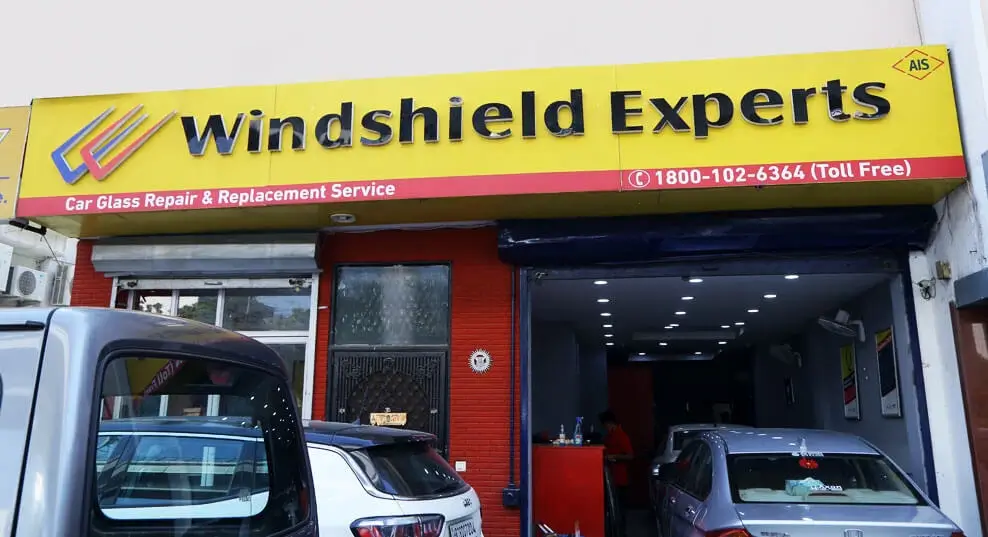
An AIS Windshield Experts outlet requires 500 to 700 square feet of high-street commercial space configured for a glass fitting bay, a customer reception area, and glass inventory storage. The bay needs clearance for vehicle access and the glass handling equipment required for safe windshield removal and installation. The franchisor assists with outlet layout planning as part of the setup process, ensuring the space is configured for both efficient operations and the customer-facing presentation that insurance referrals and corporate accounts expect from a branded service centre.
What equipment does AIS Windshield Experts supply as part of the franchise package?
The franchise setup includes the glass removal and installation equipment, polyurethane adhesive dispensing systems, chip repair tools, and safety glass handling infrastructure required to perform the full AIS service range. Supply through the franchise setup ensures that every outlet operates with the correct equipment specification rather than assembling a workshop from varied sourcing channels. This equipment standardization supports the installation quality consistency that insurance empanelment and corporate account retention require. Specific equipment inclusions are confirmed during the onboarding process.
How does AIS Windshield Experts train franchisee technicians?
Training covers the complete AIS installation methodology: windshield removal and fitting procedures across vehicle makes and models, polyurethane adhesive application technique and curing requirements, chip repair resin injection, insurance claim documentation processing, and customer communication standards for post-installation guidance. The program is designed to produce technicians who install to AIS quality standards from their first independently performed jobs, rather than learning through trial and error on live customer vehicles. Ongoing technical training for new hires as the team scales is part of the franchise support structure.
Can an AIS Windshield Experts workshop be managed by a hired workshop manager?
Delegating daily operations to a trained manager is viable once the outlet has established consistent institutional relationships — insurance empanelment is active, fleet accounts are producing regular jobs — and the manager has been trained in both technical quality management and insurance claim processing. In the early phase, the franchisee's direct involvement in insurance company relationship management and fleet account development is what builds the institutional volume that sustains the business through walk-in demand variation. A manager who inherits active institutional accounts can maintain them; building them from scratch requires the franchisee's direct commercial engagement.
How does AIS Windshield Experts support franchisees in building corporate and fleet client relationships?
AIS Windshield Experts' position as a preferred service provider for insurance companies provides franchisees with an institutional referral channel that independent glass shops cannot access on the same terms. The brand's national network and parent company's standing in the automotive glass market support franchisee conversations with corporate fleet managers and insurer empanelment officers. Active fleet account development — identifying companies with vehicle pools in the franchisee's territory and presenting AIS's glass quality and installation standards as the basis for a preferred supplier relationship — is the franchisee's commercial responsibility, supported by the brand's market credibility and national service network.
Disclaimer: All scores, rankings, and estimates on ForeFind are independently produced editorial assessments using publicly available data and validated brand-submitted information. They are not verified facts, financial advice, or investment recommendations. Full Disclaimer.
