



Tracking2u Franchise: India’s Vehicle Market, Demand Drivers and Competitive Positioning
Tracking2u in India’s Automotive Services Landscape
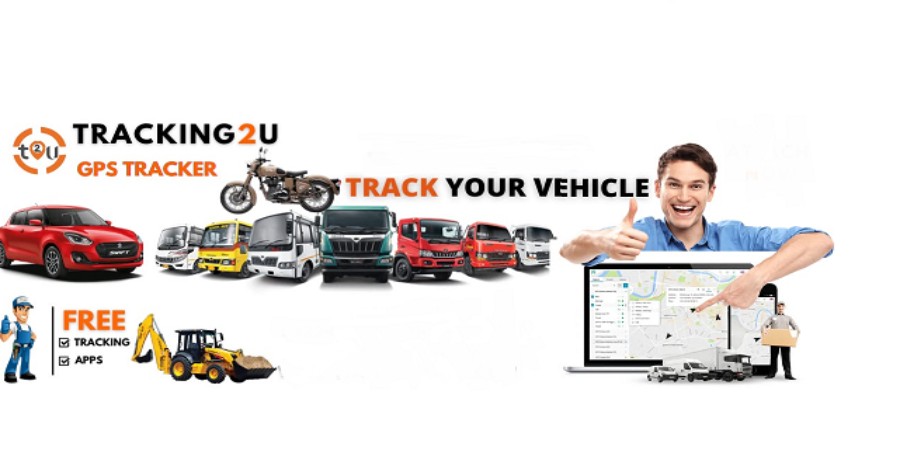
The Tracking2u franchise operates in GPS vehicle tracking — a technology services category within the automotive sector that sits outside traditional parts retail and mechanical service but is growing faster than either. The brand installs and monitors real-time location tracking systems across the full vehicle range: private cars, two-wheelers, school buses, commercial transport, and trucks. This multi-segment coverage is commercially significant because it allows a single franchisee to serve both the individual vehicle owner concerned about theft and the fleet operator managing operational efficiency across dozens of vehicles simultaneously. The gap Tracking2u addresses is the absence of organised, locally accountable GPS tracking service providers in most Indian cities below the top metro tier. The market exists — vehicles are being stolen, fleets are being mismanaged, and parents are losing visibility of school transport routes — but the providers serving it are predominantly informal installers with no brand credibility, no monitoring infrastructure, and no service accountability after the hardware is fitted.
India’s Vehicle Population and Why Service Demand Is Growing
India’s registered vehicle population has crossed 340 million units, and the theft and fleet management risk embedded in that number generates structural demand for tracking solutions that does not diminish with economic cycles. Vehicle theft in India runs to hundreds of thousands of incidents annually, and insurance premium structures increasingly incentivise the installation of tracking systems as a risk mitigation measure. For commercial vehicle operators — logistics companies, school transport contractors, taxi fleet operators — GPS tracking is shifting from an optional management tool to an operational necessity as clients demand proof of route adherence and on-time delivery.
What is accelerating the organised tracking services market in Tier 2 and Tier 3 cities is the convergence of falling hardware costs, improving mobile data coverage, and rising fleet sizes in secondary cities driven by e-commerce logistics expansion. Five years ago, GPS tracking was primarily a metro product; today, a logistics hub city like Tirupur, Coimbatore, or Nagpur has sufficient fleet density and operator sophistication to sustain multiple dedicated tracking service franchises. Tracking2u’s roots in the Tamil Nadu market — Coimbatore, Tirupur, Erode — reflect exactly this dynamic: secondary industrial cities with high commercial vehicle density and growing demand for accountable fleet management solutions.
Why a Tracking2u Franchise Outperforms an Independent Workshop
An independent GPS installer in India faces a commercial credibility problem that the Tracking2u franchise resolves structurally. When a fleet manager or a private vehicle owner is considering a tracking installation, they are not just buying hardware — they are entering a monitoring relationship that depends on the provider’s backend infrastructure remaining operational, their support team being reachable, and their software platform continuing to function correctly over a multi-year period. An informal installer who buys generic hardware from an electronics market offers none of those assurances. They may not be contactable six months after installation, and their monitoring platform may simply cease functioning if they exit the business.
A Tracking2u franchisee offers the institutional continuity that customers require when making a tracking services commitment: a recognised brand, a 24/7 monitoring platform, professional installation methodology, and the support infrastructure of a network that has been operating since 2003. That 22-year operating history is a credibility asset in sales conversations with fleet managers who have been burned by informal providers before. The brand’s genuine parts and device supply chain — sourced through the franchisor’s authorised channels rather than assembled from informal electronics markets — further underpins the service reliability that institutional clients require before committing their vehicle fleets to a tracking provider.
Geographic Opportunity: Tier 2 Cities and the Unorganised Market Gap
Consider the GPS tracking market in a city like Madurai, Hubli, or Visakhapatnam. The commercial vehicle fleet in each of these cities runs to tens of thousands of units — trucks, tempos, school buses, auto-rickshaws increasingly operating under aggregator platforms, and logistics vehicles serving the surrounding region. The organised tracking service providers in these cities are sparse; most fleet operators are served by informal installers who offer fitment without monitoring continuity, or by national telecom operators whose GPS products lack the local installation and support presence that fleet managers actually need.
A Tracking2u franchise entering one of these markets occupies genuine commercial white space. The zero square-foot premises requirement means the franchisee can operate from a shared commercial space or a small counter within a vehicle accessories shop, keeping fixed costs low while building the institutional client relationships that generate recurring subscription revenue. The six-to-twelve month break-even estimate reflects the relatively low fixed cost base of this format: a franchisee who secures twenty to thirty active tracking subscriptions in the first operating quarter has established a recurring revenue floor that covers operating costs, with new installations adding margin on top of that base.
EV and New Energy Vehicles: How Tracking2u Is Positioned
GPS vehicle tracking is one of the very few automotive technology categories that is entirely powertrain-agnostic. A tracking device installed on a CNG auto-rickshaw functions identically to one on an electric delivery vehicle — the tracking hardware interfaces with the vehicle’s 12V electrical system and the cellular network, neither of which changes with the shift from petrol to battery power. As India’s EV fleet grows, the demand for tracking solutions on those vehicles grows in direct proportion. Electric two-wheelers are already experiencing significant theft incidents, and the insurance industry is responding with tracking requirements that create mandated demand rather than discretionary purchasing.
For a Tracking2u franchisee evaluating their ten-year investment horizon, the EV transition is a tailwind rather than a headwind. Fleet electrification in the logistics and last-mile delivery segments — precisely the commercial vehicle categories that generate the highest-value fleet management contracts — increases rather than decreases the operational monitoring requirements that GPS tracking addresses. Route efficiency on electric vehicles has cost implications tied to charging logistics that conventional fuel vehicles do not face, making real-time tracking data more commercially valuable to EV fleet operators than to their ICE counterparts.
Competitive Differentiation: Why Customers Choose Tracking2u
In the GPS tracking category, three factors determine customer acquisition and retention: the reliability of the monitoring platform, the responsiveness of local support, and the total cost of ownership over the subscription period. On the first dimension, Tracking2u’s monitoring infrastructure — providing real-time location updates, engine status alerts, movement notifications, and emergency event triggers — delivers functionality that informal installers using generic hardware cannot match consistently. On the second, a locally present franchisee who can respond to a device fault or a software query in person is categorically more valuable to a fleet manager than a remote call centre for a national provider who has never visited the city.
Price competitiveness is the third dimension, and here the franchise’s structure helps rather than hinders. Because Tracking2u operates at the low-investment end of the automotive franchise market, its cost structure is lean enough to offer competitive subscription pricing without sacrificing the service quality that justifies the premium over informal providers. The franchise network’s B2B and B2C dual channel means a single outlet can serve both the individual car owner paying a one-time installation fee and the fleet operator on a monthly monitoring contract — two revenue streams with different acquisition profiles but shared infrastructure.
Who Builds a Profitable Tracking2u Franchise
The investor profile that consistently generates strong returns from a Tracking2u franchise combines technology comfort with the commercial initiative to pursue fleet accounts actively. A salaried professional from a logistics, insurance, or automotive background brings both the sector credibility to approach fleet managers and the network of contacts that shortens the B2B sales cycle from months to weeks. A student or younger investor with strong digital literacy and local community relationships can build the individual vehicle owner segment efficiently through referral marketing, while developing institutional accounts over a longer horizon.
Location matters more than the zero square-foot requirement suggests. A commercial presence near a truck parking zone, a vehicle insurance office, or a cluster of transport operators provides organic walk-in enquiry from exactly the customer cohorts that generate the highest-value tracking contracts. Community relationships — with vehicle dealer principals who can recommend tracking installation to new vehicle buyers, with insurance brokers who can position Tracking2u as a premium reduction tool, with school management committees evaluating bus safety systems — function as unpaid lead generation channels that a well-connected franchisee develops in parallel with direct sales outreach. The Tracking2u franchise rewards operators who treat their first year as a systematic relationship-building exercise across all of these customer entry points rather than waiting for inbound enquiries to find the outlet on their own.
How does Tracking2u compare to OEM-authorised service centres in India?
OEM-authorised service centres focus on mechanical maintenance and genuine parts for a specific vehicle manufacturer's range. Tracking2u operates in an entirely different service category — GPS tracking installation and monitoring — that is brand-agnostic and vehicle-type-agnostic. The comparison is less competitive than complementary: vehicle owners who service at an authorised centre are precisely the customer profile that benefits from a tracking subscription, and a Tracking2u franchisee positioned near dealerships and service centres can leverage that adjacency for customer referrals rather than viewing OEM service networks as competitive threats.
Is a Tracking2u franchise viable in Tier 2 and Tier 3 Indian cities?
The viability case is strongest in exactly this geography. Commercial vehicle fleet density in India's secondary industrial cities provides a concentrated B2B market for fleet tracking contracts, while the absence of organised, locally present tracking service providers means a franchisee enters a market with limited branded competition. The low fixed-cost structure — no mandatory premises square footage — makes the unit economics work at the transaction volumes achievable in these markets. Franchisees with existing relationships in the local logistics or transport industry have an immediate institutional client base to approach from the first week of operation.
How does Tracking2u handle the shift toward electric vehicles?
GPS tracking hardware is fully compatible with electric vehicles — the device interfaces with the 12V auxiliary electrical system present in every EV rather than the high-voltage traction battery, meaning installation procedure and device functionality are identical across ICE and electric platforms. EV fleet operators face additional operational monitoring requirements around charging logistics and range management that make GPS tracking data more valuable rather than less as electrification progresses. The Tracking2u franchise is structurally well-positioned to serve the growing EV fleet in both private and commercial segments without any product adaptation requirement.
What is the addressable vehicle population in a typical Tracking2u franchise territory?
A secondary city with a population of 500,000 to 1 million typically carries 150,000 to 300,000 registered vehicles across all categories. Within that base, the commercially attractive tracking customer segments — private car owners with insurance incentives, school bus operators under state safety mandates, logistics fleet operators managing delivery vehicles, and taxi aggregator partners — represent a meaningful and identifiable subset that can be approached through structured outreach rather than mass marketing. Even a modest capture rate across these segments, combined with the recurring subscription revenue model, establishes a financially stable franchise operation within the six-to-twelve month break-even window.
How does Tracking2u's parts supply chain ensure quality and availability?
The tracking hardware supplied through the Tracking2u franchise network is sourced through the franchisor's authorised supply chain rather than the open electronics market, where counterfeit or low-specification GPS modules are common. Device quality directly determines monitoring reliability — a tracking unit that loses signal intermittently or fails within six months damages the franchisee's reputation with fleet clients who depend on continuous monitoring for their operational and safety commitments. The franchisor's authorised supply chain protects against this risk by ensuring hardware meets the performance specifications that the monitoring platform is built to support. Franchisees who maintain adequate device inventory for prompt installation — rather than sourcing on demand and creating delivery delays — consistently achieve higher customer satisfaction scores and referral rates from their institutional accounts.
Disclaimer: All scores, rankings, and estimates on ForeFind are independently produced editorial assessments using publicly available data and validated brand-submitted information. They are not verified facts, financial advice, or investment recommendations. Full Disclaimer.
